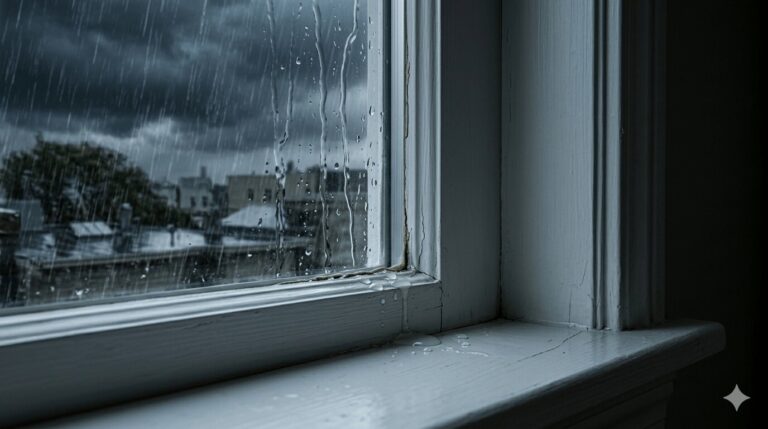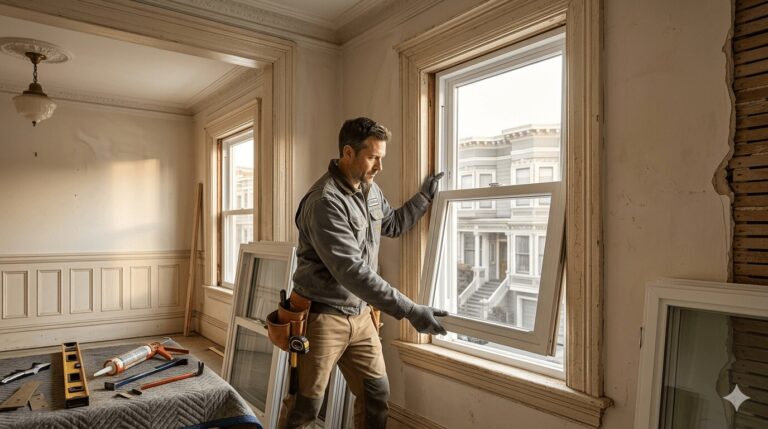
When people look at random windows they see glass, and, as the reflections flicker, they don’t even think about what holds the glass in place. Behind that shine sits the quiet backbone of the whole operation. No one thinks about what is a window jamb and what role it plays. Before you tear into a wall or sign off on a project, it’s good to know what’s holding everything steady. In this guide we’ll talk about structure, trouble signs, repair choices, and why this overlooked piece matters more than people reckon.
Understanding Window Jambs: Definition and Function
So what is a window jamb?
A window jamb is part of the window frame. The sides and top that form the inside boundary of the window opening. You got your side jambs running vertical like fence posts, your head jamb sitting across the top holding steady, and down below there’s the sill keeping water from running inside like it owns the place.
Those window jambs tie directly into the window structure. They anchor into the rough opening inside the wall, give structural support, and guide the window sash so it can move smoothly without wobbling.
That’s basic window anatomy right there.
Without a solid window jamb, the sash can sag, stick, or leak air. And when you’re doing window installation or full window replacement, the jamb better be square and tight inside that rough opening, or you’re just asking for air leakage and moisture trouble.
Anatomy of a Window Jamb System
Typically the set of main components looks like this:
- Two side jambs
- One head jamb
- A sill
- Often a jamb liner inside modern setups
- And sometimes jamb extensions if your wall thickness demands it
The jamb liner helps the window sash glide smooth. It’s important for double-hung setups. If that jamb liner wears out, you’ll feel it when the window sash starts fighting back.
Jamb depth matters too. Jamb depth is the measurement from the inside edge of the window frame to the exterior cladding outside. If your wall thickness runs deeper you’ll need jamb extensions to bridge that gap so your window trim and casing sit alright.
During window installation, contractors check that rough opening carefully. If a jamb depth’s wrong, your window structure ends up twisted. Then come sealing issues. Then come drafts. Then come complaints.
Types of Window Jamb Materials
Not all window jambs are built the same. Wood jamb systems look warm, blend into interior trim real nice, but they can suffer rot if moisture creeps in. Rot spreads quiet-like if you ain’t watching.
Vinyl jamb builds resist water damage better and cut down on maintenance. Aluminum versions bring strength, though they need careful sealing for energy efficiency. Fiberglass and composite jamb materials offer better durability overall and fight off moisture stronger than plain wood.
When people invest in replacement windows, they should match the jamb material to the window frame. Mismatch it and you’ll see the window frame getting damaged pretty much soon. Especially with Bay Area windows, where moisture hangs in the air half the year.
Window Jamb Depth and Why It Matters
Now let’s talk about something most people overlook.
Jamb depth ain’t just a number. It’s how that window jamb fits inside the wall thickness. Too shallow, and you’re gap-filled and drafty. Too deep, and your casing won’t sit right. In older homes, wall thickness runs heavy. That’s where jamb extensions step in. They stretch the jamb depth so your interior trim meets up clean.
If the rough opening ain’t measured right before window installation, you’ll fight air leakage and bad insulation for years. Proper sealing around the jamb improves energy efficiency and thermal performance in a way people usually underestimate.
Little measurements. Big consequences.
Common Window Jamb Problems
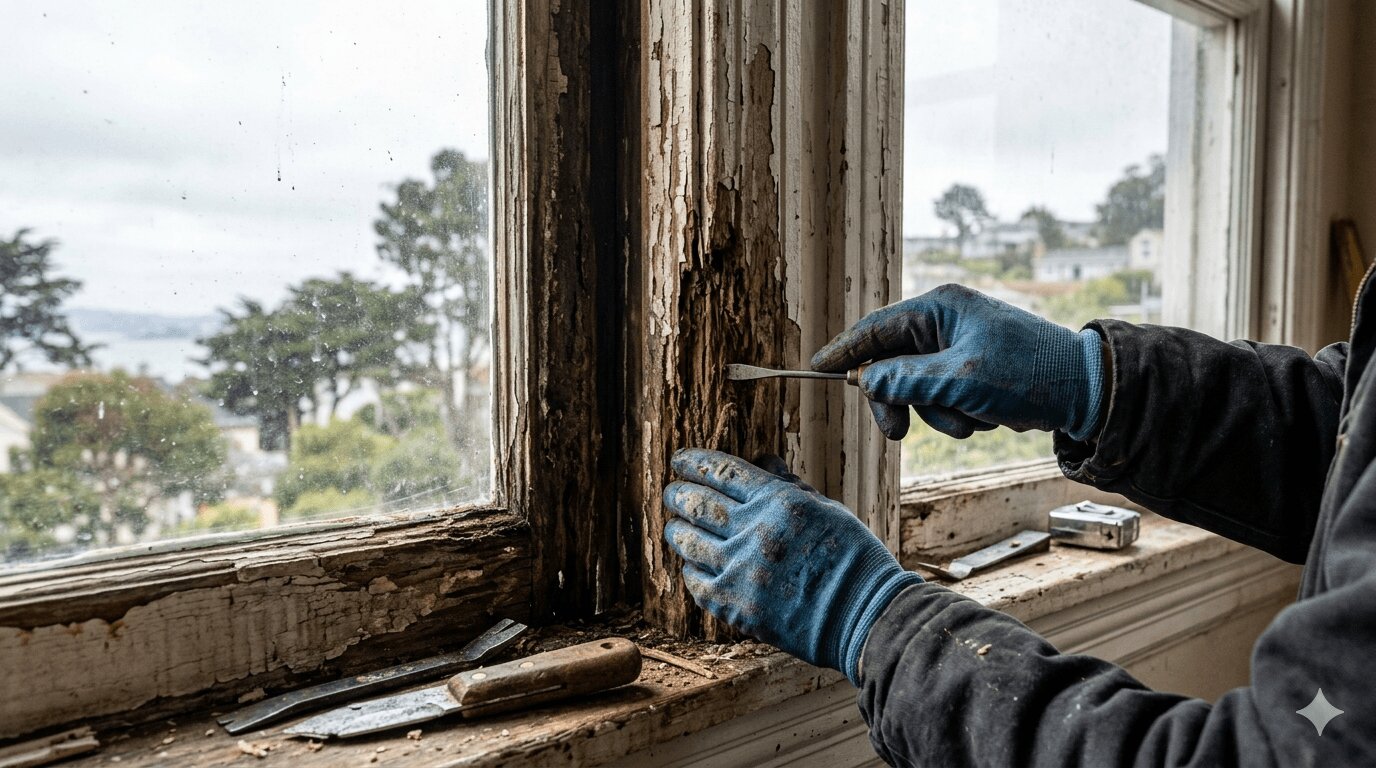
Here’s where things get messy. Moisture sneaks in. Water damage follows. Then rot sets in the side jambs or along the head jamb. We’ve seen rot eating through wood like termites.
Air leakage around worn weatherstripping inside the jamb liner drops energy efficiency quick. Your heating bill bloats and you’re wondering why. Warping can twist the window sash so it won’t close properly. That messes with sealing and insulation and turns into a bigger window replacement project than you bargained for.
Bay Area windows especially deal with coastal dampness. Maintenance ain’t optional there. It’s necessary. If you see soft spots, flaking casing, or drafty corners, you might be looking at jamb repair territory.
Window Jamb Repair vs. Replacement
Not every bad window jamb means you gotta pull the whole thing out. Minor rot? That can sometimes be handled with jamb repair: cut, reinforce, reseal. Good sealing restores structural support if caught early.
But if the side jambs crumble or the head jamb’s compromised deep, you’re looking at a jamb replacement. And sometimes full window replacement makes more sense, especially if the window frame and window sash are worn too.
Jamb repair costs less upfront. Full window replacement costs more but may protect you long-term. It’s a home improvement decision, plain and simple.
Best to have a trusted contractor inspect the window opening and rough opening before you decide.
Installing and Maintaining Window Jambs
Proper installation starts simple. The window jamb must sit even inside the rough opening. The sill must slope outward. The head jamb must carry weight balanced across the side jambs.
During window installation, sealing is critical. Good sealing keeps moisture out and prevents air leakage. Weatherstripping along the jamb liner boosts insulation and energy efficiency.
Regular maintenance matters too. Check for water damage, inspect paint or exterior cladding, monitor casing joints, and keep weatherstripping tight. Bay Area windows demand extra attention thanks to coastal moisture patterns. Take care of the jamb and it’ll return the favor.
FAQ
How do I measure window jamb depth?
Measure from the inside edge of the window frame to the exterior edge, accounting for wall thickness and trim layers.
Can I replace just the window jamb without replacing the entire window?
Yes. Jamb replacement is possible if the window sash and surrounding window structure remain sound.
What causes window jambs to rot?
Moisture intrusion, poor sealing, and prolonged water damage lead to rot in wood jamb systems.
How much does window jamb repair cost?
Costs vary by severity, but jamb repair is typically less expensive than full window replacement.
Do all windows have jambs?
Every window structure includes side jambs, a head jamb, and a sill forming the complete frame.
Ready for a Consultation?
Get a Free Estimate Today!