Glass usually looks safe and reliable. It usually is safe and reliable. Until it breaks. The panel in your bathroom might appear identical to the one across the living room — the way it breaks can change everything in a split second. It’s all about safety, cost, and making decisions that hold up under real life in San Francisco.
Appearance isn’t the only thing to judge the glass by. Strength, breakage patterns, local codes, and long-term practicality matter a lot. Here we will explain the way different glass types perform, where they are required, and when paying more actually makes sense.
What Makes Tempered Glass Different
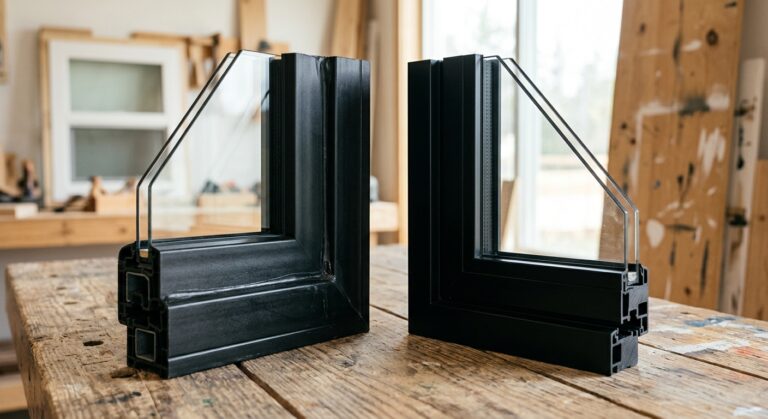
It starts with heat treatment. Tempered glass is heated to extreme temperatures and then rapidly cooled — it creates internal compression and tension that permanently alter its structure. That’s what makes glass stronger. Precisely added internal stress. Usually tempered glass is four to five times stronger than annealed glass, which is the technical term for regular glass in its untreated state. That’s the core difference between tempered and regular glass.
It’s not only about resisting impact damage. The breakage pattern of tempered glass grants less harm to everyone around. It breaks into dice, not daggers. The tiny fragments still scatter, sure. Though it’s impossible to get a life-threatening injury this way. That is the safety principle behind safety glass.
By contrast, non-tempered glass — often called non tempered or annealed glass — breaks into long, dangerous pieces. When comparing tempered glass vs regular glass, the visual difference during failure is unmistakable. One crumbles. The other can shatter into dagger-like fragments.
Another critical point in the tempered vs non tempered glass discussion is modification. Once tempered glass goes through heat treatment, it cannot be cut, drilled, or reshaped. Attempting cutting glass after tempering will cause it to shatter immediately. That limitation affects repairs. A single chip at the edge may require full window replacement because modification is impossible.
Homeowners often weigh tempered glass vs regular glass without realizing this permanence. Regular glass can be resized before installation. Tempered glass cannot. The strength is impressive. The rigidity is final.
When Building Codes Require Tempered Glass
In California, building codes are clear about where safety glass must be installed. This is not optional decoration — it’s about glass safety and code compliance. The California code requires tempered glass in hazardous locations where human impact is more likely.
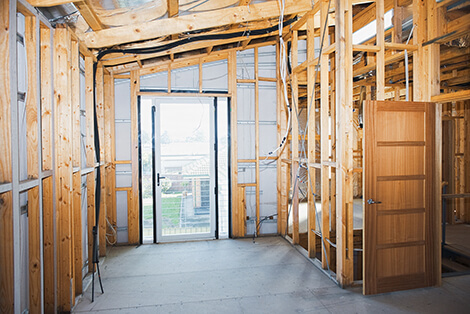
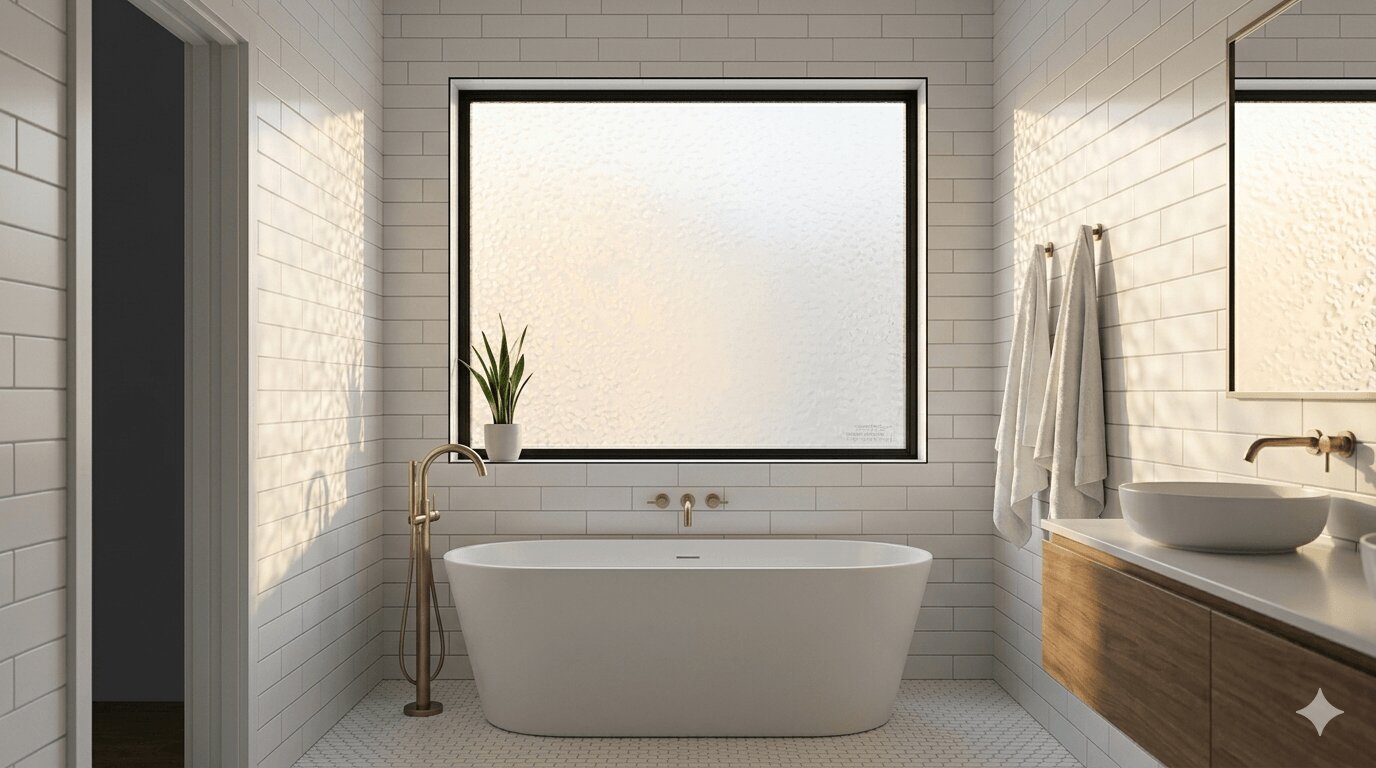
In San Francisco and throughout the Bay Area, tempered glass is mandatory in door glass panels, including sliding doors and entry doors. Any windows within 24 inches of a door’s vertical edge typically fall under the same building requirements. Bathroom windows? Same requirements if they’re located near tubs or showers.
Homeowners installing garden windows over a kitchen sink or in a bathroom should confirm the glass meets the same tempered requirements.
Stairs or landings, ground-level windows — safety glass standards require glass panels to be tempered to be installed there. It’s because when a person stumbles, falls, or pushes against a pane, they should only get hurt, not injured. Simple logic, no hidden catch there.
This is especially relevant for large picture windows installed close to the floor, where the glass surface itself becomes part of the walking or gathering area.
Second-story residential windows? No glass type requirements here unless they meet specific size and proximity thresholds. Though it’s obvious why lots of people in San Francisco choose tempered glass windows in high-traffic areas. Safety always matters.
Old Bay Area homes often have non-tempered glass windows. Not a surprise since they’re older than modern building codes. During renovation, bringing those areas into compliance becomes necessary. Our window replacement teams regularly identify older annealed glass beyond current standards.
Understanding tempered vs non tempered glass within the framework of local building codes prevents costly rework later. Code compliance is not just bureaucratic detail. It shapes real installation decisions.
Tempered vs Non-Tempered: Cost, Benefits, and Limitations
Cost is often the first practical question. Tempered glass typically costs 20%–40% more than non-tempered glass, depending on size and configuration. That difference affects overall replacement cost during large window replacement projects.
Yet tempered glass does not automatically mean better in every situation. For small, high-mounted residential windows far from impact zones, regular glass can be perfectly acceptable and fully compliant. In such cases, the difference between tempered and regular glass has little functional impact.
Tempered glass windows shine where impact resistance matters — near doors, in bathrooms, and in ground-level windows exposed to activity. They offer increased durability and improved glass safety. However, they do not necessarily provide superior break-in protection. While stronger, they can still shatter under deliberate force.
Another misconception in tempered glass vs regular glass comparisons involves energy efficiency. Both types are fine for double-pane glass configurations. Energy efficiency remains mostly the same, though. It depends more on insulation, gas fills, and frame design than on whether the pane is tempered or non tempered. Tempered glass windows don’t insulate better. Extra safety is all they provide.
Repair possibility is zero when the glass in question is tempered. It must be replaced entirely. Non tempered glass can be drilled and cut — replacement is a better choice anyway. Glass repair is always a sensitive topic.
Brands such as Milgard offer multiple window glass types. Safety, durability, and budget define the options every customer is given. Installation quality affects performance. It’s a job for skilled professionals only.
FAQ
How can I tell if my existing windows have tempered glass?
Look for a small etched stamp in a corner of the pane. Tempered glass compliance with safety standards is usually indicated on special marks.
Does tempered glass prevent break-ins better than regular glass?
It offers greater impact resistance and strength, sure. It’s not bulletproof, though. It improves safety more than break-in protection.
Can tempered glass be repaired if it cracks?
Well, if it cracks it immediately shatters. Nothing to repair in that case.
Is all double-pane glass automatically tempered?
Double-pane glass refers to insulation structure, not safety treatment. Either pane may be regular glass or tempered depending on location requirements.
Do I need tempered glass for second-story windows?
It’s not a legal requirement, so choosing the type it’s up to you. Official requirements depend on placement and potential fall hazards.
Ready for a Consultation?
Get a Free Estimate Today!