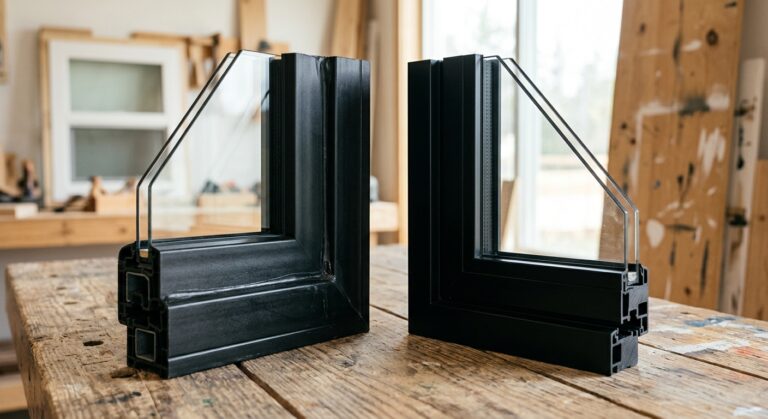
Glass and grids may look immaculate, though no glass defines how long things would look all pretty. It’s about the bones holding it steady. The window frame decides if you’re warm in January or watching your heat money float clean off into the night. In this friendly guide we’ll sort through these types of window frames the honest way.
When you start comparing window frame materials, it can feel like somebody dumped a hardware store on the table. There’s vinyl, wood, aluminum, fiberglass, composite. All claiming they’re the best window frame material. Truth is, each one’s got its own temperament. And when you’re looking at replacement windows, that choice matters more than most people realize.
What Are Window Frames and Why Material Matters
A window frame is the backbone of the whole setup. It holds the glass, keeps the sash steady, seals out moisture, and anchors the unit during window installation. If that window frame fails, you’re dealing with leaks, rot, and debts.
Different window frame materials react differently to moisture, heat, cold, expansion, and contraction. Some handle warping better. Some fight off rot easily. Some need more frame maintenance than a classic truck.
When you’re comparing window frame types, you have to look past color and shine. Think about thermal performance. About insulation properties. About window longevity. That’s what makes energy efficient windows actually efficient.
Vinyl Window Frames: Affordable and Low-Maintenance Ones
Vinyl window frames can be seen everywhere for a reason. They’re affordable. They’re practical. They’re about as close as you get to low maintenance windows in this business.
Most vinyl window frames resist moisture, don’t need paint, and hold up decent over time. Their insulation properties are solid thanks to chambered construction, and that helps with energy efficiency in everyday homes.
When people talk about replacement windows, vinyl window frames dominate that conversation. The cost stays manageable, and the price makes sense for most budgets. Though vinyl window frames can have limited color options. Strong sun over years can test their UV resistance. Lower-quality ones might show warping if installed the wrong way.
For many homeowners, vinyl window frames are the best window frame material when budget and low maintenance windows top the list.
Wood Window Frames: Classic Beauty with Modern Performance
Now wood window frames, that’s tradition right there. Warm grain, natural finish, real curb appeal. You put good wood windows in a home and the resale value can climb alright.
From a performance standpoint, wood window frames bring excellent insulation properties and respectable thermal performance. They help build truly energy efficient windows when maintained right. But wood demands to be treated with extra care. Moisture can creep in. Rot can set up if paint or finish peels off. Frame maintenance is part of the deal: sanding, sealing, fresh paint when needed.
Modern wood window frames sometimes come clad on the outside to ease maintenance, but pure wood windows still require care. For historic homes or statement builds, though, they’re worth the investment.
Aluminum Window Frames: Sleek and Strong
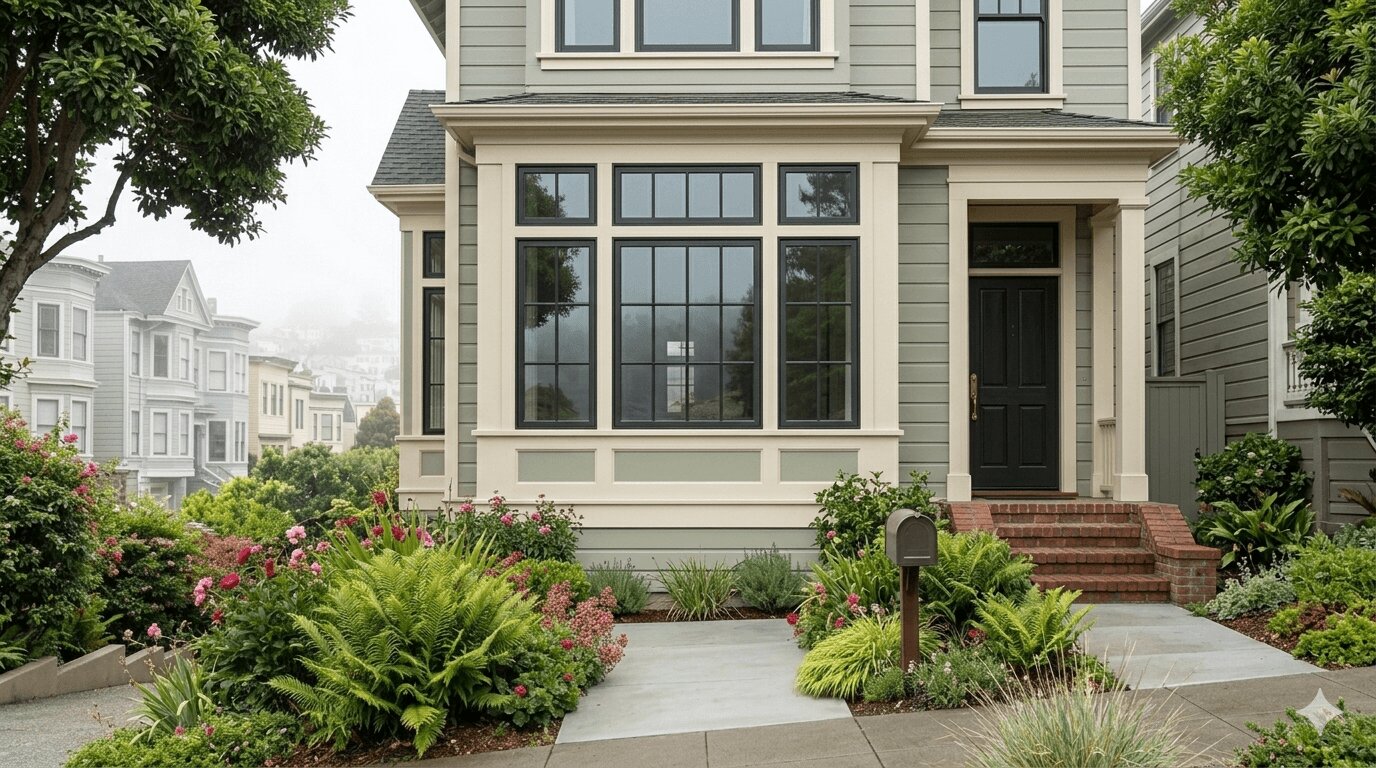
Aluminum window frames are lean and strong. Good structural integrity, slim lines, lots of glass view. You’ll see them in modern builds and commercial setups.
The strength-to-weight ratio’s impressive. But aluminum conducts heat, which means thermal performance ain’t naturally its advantage unless there’s a thermal break built in. Aluminum window frames resist UV exposure well and hold shape over time. In dry climates they shine. In coastal climate windows settings, protective coatings help fight off corrosion from moisture.
They’re durable, no doubt. The only issue is choosing insulation properties over style.
Fiberglass Window Frames: Premium Durability
Fiberglass window frames are very durable. They expand and contract nearly the same as glass, which cuts down stress at the seals. Their insulation properties rank high. Thermal performance is strong. They resist moisture and rot better than most materials. Condensation resistance is another advantage.
Fiberglass window frames usually carry a higher cost and price tag, but the window longevity is impressive. When customers ask us about the best window frame material for long haul durability, we usually put fiberglass window frames near the top. Not cheap. But steady.
Composite Window Frames: Best of Both Worlds
Composite window frames mix wood fibers with polymers, sort of engineered for balance. You get some of the warmth of wood window frames with improved weather resistance.
Composite window frames handle moisture better than traditional wood. They don’t rot easy, and frame maintenance is lighter than full wood windows.
In a solid frame materials comparison, composite window frames sit between vinyl and fiberglass on cost and performance. For homeowners putting budget against durability, they make a strong middle-road investment.
Comparing Window Frame Materials: Performance and Cost
Let’s lay it out plain in this frame materials comparison. Vinyl window frames are good for lowest cost, strong energy efficiency, and minimal maintenance. Wood window frames are good for the highest aesthetic value, need more maintenance, and deliver good insulation.
Aluminum window frames are sleek, durable, and give moderate insulation. Fiberglass window frames mean premium durability, strong thermal performance, and higher price.
Composite window frames offer balanced durability and performance.
When evaluating window frame materials, look at window durability, window longevity, and long-term investment return. Sticker price doesn’t usually mean a thing.
Energy efficiency ain’t just glass ratings. That window frame plays a role in the U-factor and overall R-value of energy efficient windows. And remember, proper window installation matters just as much as material choice. A great frame installed poorly won’t hold up. Protect that window warranty by doing it right.
Choosing the Right Window Frame Material for Bay Area Homes
Now if we’re speaking about Bay Area windows that mix of coastal air and inland heat is a thing to consider first. Vinyl window frames fit tight budgets, those are low maintenance windows. Wood window frames shine in historic neighborhoods where charm matters most.
Aluminum window frames look modern, clean, and industrial. Fiberglass window frames handle wild weather swings and heavy moisture like they were built for it. Composite window frames offer a middle ground for families looking to balance cost and durability.
Whether you’re replacing double-hung windows or casement windows, match the window frame to climate, design, and long-term home improvement goals. At the end of it all, the types of window frames you choose shape your home’s comfort, value, and upkeep. Pick carefully. It’s an investment, not a quick fix.
FAQ
What is the most energy-efficient window frame material?
Fiberglass window frames often lead in thermal performance and insulation properties.
How long do different window frame materials last?
Vinyl window frames can run 20 to 30 years. Wood window frames last decades with care. Fiberglass window frames often exceed 40 years.
Can I paint vinyl window frames?
Most vinyl window frames aren’t meant for standard paint, though specialty finish products exist.
Which window frame material requires the least maintenance?
Vinyl window frames and fiberglass window frames qualify as low maintenance windows.
Are wood windows worth the extra cost?
For aesthetics, resale value, and traditional appeal, wood window frames can be a worthy long-term investment. If you’re ready for the maintenance.
Ready for a Consultation?
Get a Free Estimate Today!