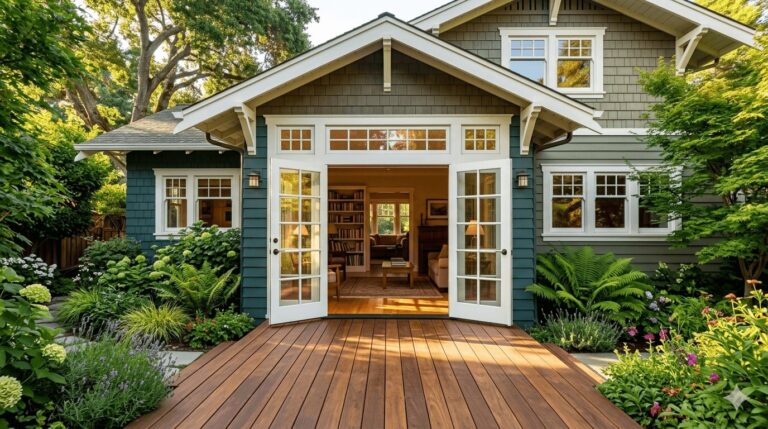
Imagine one of those days when you enjoy a quiet evening at your place in the Bay Area, coffee in hand, rain tapping the glass. You think about the future. You really want your place to feel warm but not fall apart in this coastal climate. That’s where vinyl clad wood windows start making a whole lotta sense.
Picking the right window isn’t just about looks or price tags. It’s about how materials handle fog, salt air, heat swings, and long winters of drizzle. We’re breaking down construction, costs, durability, and what actually holds up around here.
What Are Clad Windows and How Do They Work?
Let’s answer the thing people keep Googling at midnight: “what is a clad window?”
A clad window is basically a wood core wrapped in exterior cladding that protects it from rain, UV, and general Pacific moodiness. A solid wood window frame and sash. That window construction gives you structure and insulation from the wood interior, and armor from the outer layer.
The cladding materials can be vinyl clad, aluminum clad, or fiberglass clad. Each one’s built to handle exposure differently. That exterior cladding is doing the heavy lifting — moisture protection, UV protection, general wear and tear.
This hybrid windows concept got popular because wood windows looked incredible but demanded constant repainting, and vinyl windows were easy but kinda bland. So manufacturers decided they can combine things alright. That’s how wood clad became mainstream.
And if someone asks again, what is a clad window — now you’ve got an answer that actually explains something.
Types of Window Cladding: Vinyl, Aluminum, and Fiberglass
Let’s break down window cladding keeping it simple.
Vinyl clad is the budget-friendly route in the clad family. Vinyl cladding resists moisture, doesn’t peel, and keeps maintenance low. It works well in moderate Bay Area neighborhoods that aren’t hammered by direct ocean wind. But in extreme heat, vinyl clad surfaces can fade or warp over decades.
Aluminum clad windows step it up. Aluminum cladding handles coastal climate punishment like a champ. Salt air around San Francisco? Aluminum clad windows shrug it off better than vinyl clad. You also get more color options, and that tougher exterior cladding boosts window durability long term.
Then there’s fiberglass clad. Strongest of the bunch. Fiberglass clad systems expand and contract at similar rates to glass, which improves thermal performance. They’re usually the priciest, but in wild microclimates across the Bay Area, they’re rock solid.
Different neighborhoods, different call. That’s just how it is.
Benefits of Wood Clad Windows for Bay Area Homes
Now here’s where wood clad windows really earn their keep.
Inside, you get that genuine wood interior. You can stain it. Paint it. Match cabinetry. Real wood windows elevate a space in a way vinyl windows just don’t.
Outside, exterior cladding keeps things weather resistant. In San Francisco fog or inland heat, that protective shell shields against cracking and swelling. Moisture protection matters in a coastal climate, and clad windows are built for it.
The energy efficiency they deliver is really decent. The wood core insulates better than straight vinyl windows, and upgraded glass packages push energy efficiency even further. That means fewer drafts, steadier indoor temps, better comfort.
Plus, longevity. Properly installed wood clad systems can last 30 to 50 years. That kind of window durability supports long-term resale value, especially in competitive Bay Area markets.
Vinyl Clad vs. Aluminum Clad
Alright, let’s talk about cost comparison.
Vinyl clad wood windows usually land around $600–$900 installed. Aluminum clad windows often run $800–$1,200+, depending on specs and glass upgrades. Vinyl clad gives you lower upfront cost and genuinely low maintenance performance. For homes not directly facing heavy salt air, it’s practical.
Aluminum clad shines in harsher coastal climate zones. Around San Francisco, where salt air is real and UV exposure can be intense, aluminum cladding simply holds up longer. Maintenance-wise, both offer low maintenance exteriors compared to raw wood windows. But aluminum clad tends to edge out vinyl cladding in long-term toughness.
Budget. Location. Style. That’s what defines the price.
Wood Clad Windows vs. All-Vinyl and All-Wood Options
Now, let’s compare wood clad windows to straight vinyl windows and traditional wood windows.
All-vinyl windows are cheaper upfront. But they don’t give you that wood interior warmth, and customization is limited.
All-wood windows look gorgeous. No argument. But the window maintenance schedule is real. Sanding, repainting, sealing every few years in a damp coastal climate. Not everyone is interested in doing this or paying for it.
Clad windows land in between. Exterior cladding cuts down repaint cycles. Interior wood stays protected. Over 20–30 years, the math often works out in their favor. And yes, pure fiberglass units exist, but they can look a little industrial compared to wood clad.
It’s all about keeping the right balance.
Maintenance Requirements and Longevity
Let’s clear something up. Nothing is zero-maintenance. Exterior cladding needs washing now and then. Inspect seals annually. Keep an eye on joints.
The wood interior may need refinishing every 5–10 years depending on sun exposure. That’s normal window maintenance, not failure.
Compared to full wood windows, where exterior repainting can happen every 3–7 years in the Bay Area, clad systems are dramatically easier to live with.
Choosing Quality Clad Windows: What to Look For
Here’s where people usually mess up.
Look at brands with track records: Pella, Marvin, Andersen, Milgard. Check the thickness of the exterior cladding. Ask about thermal breaks in the window frame. Look for Low-E glass. Confirm Energy Star ratings. Ask about warranty coverage in writing.
And don’t cheap out on certified installation. Seriously. Even the top-tier clad window fails if installed poorly. Certified installation ensures performance and protects that warranty coverage.
So when someone asks whether vinyl clad wood windows are worth it in the Bay Area, the answer’s nuanced. Clad windows give you wood interior beauty and weather resistant protection outside. They cost more than vinyl windows, less than full wood windows, and handle coastal climate conditions better than either extreme in many cases.
In San Francisco fog, inland heat, shifting Bay Area weather wood clad is a practical middle ground that supports energy efficiency, durability, and long-term value.
Ready for a Consultation?
Get a Free Estimate Today!