
Caulking windows seems to be a waste of time until you notice dark patches of mold in your room. The problem is when you see them it’s already too late — their spores are in your lungs. Caulking windows properly is the way to prevent damage that doesn’t show up until it’s inconvenient. Or expensive.
Drafts, water infiltration, energy loss — just a bunch of words when caulking is done right. Sloppy job traps moisture and accelerates damage. We know how and when to recaulk windows, where to apply sealant properly, and how Bay Area climate conditions affect everything. We’re also eager to share our knowledge.
When Your Windows Need Recaulking
Cracks. Peeling caulk. Slight separation between window frames and trim. These are not decorative features. They are signs of caulk failure. A small crack along a frame can mean more than cosmetic wear. Moisture, slow deterioration. Older coastal homes need extra care.
Drafts near closed windows? Air leaks are already slipping through damaged seals. San Francisco is all about fog exposure and temperature shifts — exterior window caulking gets extra damage. UV exposure also weakens window sealant over time.
Water infiltration is way worse. Discoloration, damp drywall, swelling around window trim — those are signs of moisture protection wear. It leads to moisture damage inside the wall cavity. Quietly.
Most exterior caulk lasts five to ten years depending on material. Silicone caulk generally outperforms latex caulk in longevity, while polyurethane caulk offers durability with impressive flexibility. But even high-quality exterior caulk eventually breaks down. Recaulking windows becomes necessary when visible gaps form, not when total failure happens.
There is a point where recaulking windows is no longer enough. If window frames are warped, or repeated drafts persist despite window sealing attempts, window replacement may be the more practical solution. In older Bay Area properties, this decision comes up more often than expected.
Proper Ways To Caulk Around Windows
Exterior window caulking means sealing the window perimeter where the frame meets siding. Caulking around windows in these transition areas helps prevent water infiltration and air leaks.
Joints in window frames themselves may also require window caulk, especially at corner seams. Small gaps around window trim can be sealed to improve weatherproofing. The goal is controlled sealing, not over-application.
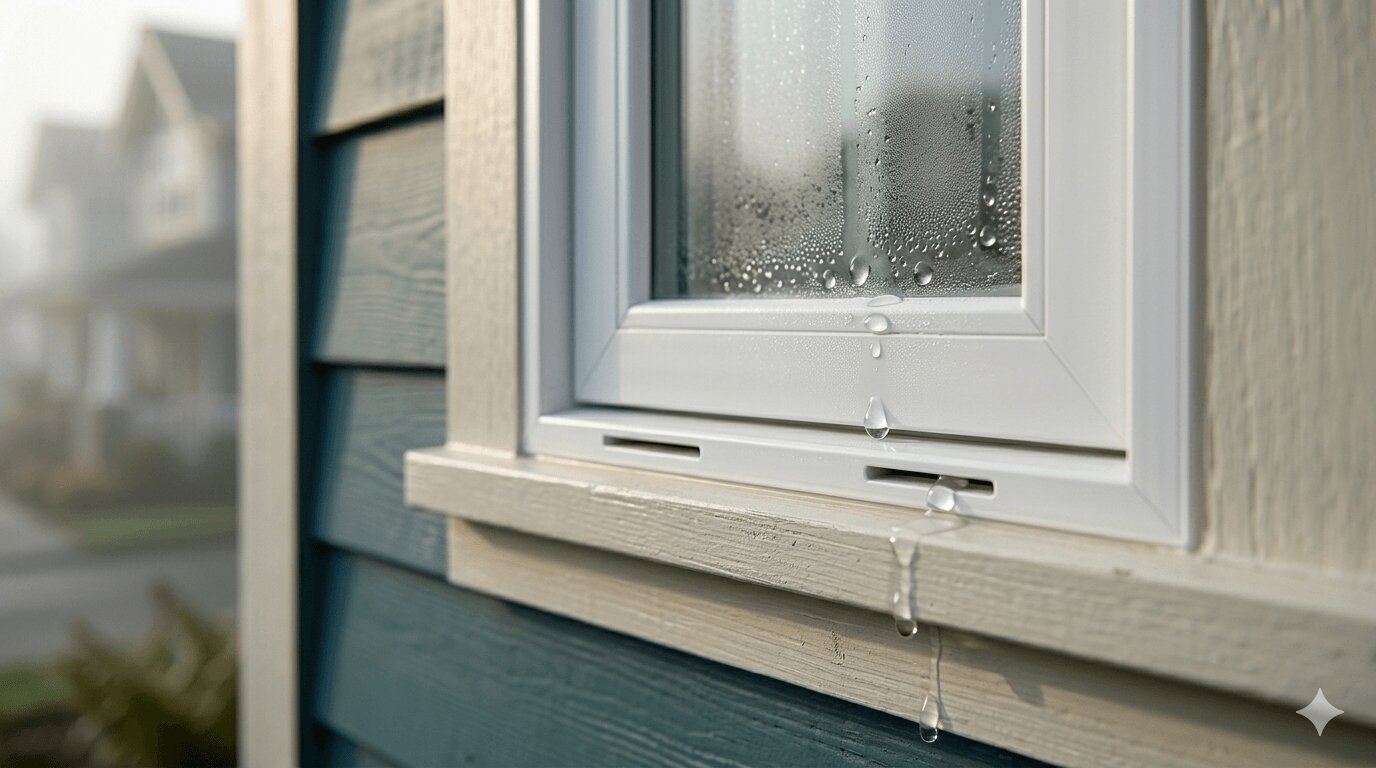
Now, the part many homeowners get wrong. Weep holes.
They exist at the bottom of many window systems to allow trapped water to drain. Blocking weep holes during caulking outdoor windows traps moisture inside the frame assembly. It leads to rot, swelling, and premature window replacement. It happens often. It is avoidable.
Never caulk the bottom edge of certain window designs unless manufacturer guidance specifically allows it. Exterior window caulking should never interfere with drainage paths. In San Francisco’s damp climate, improper caulk exterior windows methods can accelerate wear. Your goal is preventing it.
Thoughtful window maintenance means knowing when not to apply sealant. More caulk does not equal better window sealing. Sometimes restraint protects the structure more effectively.
Top-tier Caulk Types for Exterior Windows
Choosing the right material for caulking windows in the Bay Area is easy. Climate matters, though.
Silicone caulk offers superior UV resistance and flexibility, making it a decent choice for exterior caulk applications exposed to sun and fog. It sticks properly to vinyl and aluminum window frames. It isn’t paintable usually — no aesthetic adjustments are possible.
Latex caulk is easier to apply and clean. Though silicone is much more durable. It may work for interior window sealing, but caulking outdoor windows in coastal air? Not really.
Polyurethane caulk means top adhesion for wood frames and it’s also very durable. Moisture protection and elasticity are also guaranteed. It requires more careful caulk application and longer curing time, though — especially in coastal humidity.
Hybrid window sealant products combine silicone and polyurethane properties. They do well for exterior window caulking if you need both durability and paint compatibility.
For balanced wood window trim performance look for polyurethane or hybrid products. Vinyl frames often pair best with silicone caulk. Aluminum frames marry perfectly with high-adhesion silicone and specialized exterior caulk products designed for metal bonding.
Proper caulking technique matters as much as product choice. Surfaces must be dry. Old caulk should be removed fully before applying fresh material. Using a quality caulk gun ensures consistent bead control. Smooth the bead for proper sealing and uniform contact with surfaces.
Rushing curing time in fog-heavy weather compromises results. Allow full curing before exposure to heavy moisture. In the Bay Area, that sometimes requires patience.
Window sealing should enhance energy efficiency and structural stability. It should not merely look tidy for a season.
FAQ
How often should I recaulk my windows in San Francisco?
In San Francisco, recaulking windows is usually needed every five or seven years. It depends on your windows quality, sealant quality, fog exposure – a coastal house needs it done more often. Just check the caulking from time to time. Gaps and tiny fractures are maintenance flags.
What’s the best caulk for exterior windows in foggy weather?
Silicone caulk or hybrid exterior caulk products are top-tier options. They grant superior UV resistance and flexibility. It matters a lot in coastal areas. These materials maintain adhesion despite temperature swings and moisture. The Bay Area has plenty of both.
Should I caulk the bottom of my window frame?
Not if you see weep holes there. Blocking them blocks drainage and it leads to moisture damage. Exterior window caulking shouldn’t block any water, keep that in mind.
Can I caulk over the old caulk or do I need to remove it first?
You need it fully removed. Only after that new window caulk can be applied. Layering over deteriorated material gives no adhesion and it’s no good at all. Clean surfaces ensure proper sealing and longer performance.
When should I replace windows instead of just recaulking?
If drafts persist, frames show structural damage, or repeated caulking around windows fails to improve performance, window replacement may be necessary. Constant air leaks and deteriorating materials can be signs of frame or window wear beyond simple recaulk windows efforts.
Ready for a Consultation?
Get a Free Estimate Today!