Double-Hung Windows — Installation and Replacement Services in San Francisco
Durable, energy-efficient solutions tailored for San Francisco and the Bay Area properties. Professional installation guaranteed.
Premium Double-Hung Windows
Double-hung windows are everywhere in the Bay Area. Old Victorians in San Francisco. Ranch homes in San Mateo. A slightly crooked duplex in Oakland with a lemon tree nobody trims. They fit because they don’t try too hard. Both sashes move up and down, which sounds ordinary until summer heat gets trapped upstairs and suddenly that top opening matters more than expected.
These windows work especially well in traditional homes, though modern remodels keep stealing them too. Vinyl frames are common because fog and moisture punish wood over time. Fiberglass behaves beautifully near the coast. Aluminum exists, though coastal salt air tends to argue with it eventually. Double hung windows are tidy. Familiar. Quietly useful in ways people forget until theirs stop working properly.
Available Awning Window Materials
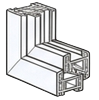
Vinyl
A perfectly balanced option. Decent prices, almost no maintenance required. Fits well enough in all kinds of properties.
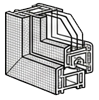
Fiberglass
Extremely durable, not affected by California weather at all. A right choice for a place you want to keep for life.

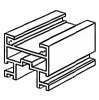
Aluminum clad wood
Aluminum durability strengthened by natural wood energy efficiency. A perfect breed ready to serve for decades.
Performance & Efficiency
SF Soundproofing
Double-hung windows have improved a lot from the rattling single-pane versions people still wrestle with across the Bay Area. Modern designs seal tighter, slide smoother, and leak far less air during cold coastal mornings. Some even tilt inward for cleaning. Oddly satisfying feature, honestly.
Energy Efficiency
Energy efficiency depends heavily on glass packages and frame quality. Dual-pane Low-E glass with argon gas fills helps stabilize indoor temperatures while softening outside noise from traffic or neighbors arguing about parking permits at midnight. Because both sashes operate, airflow becomes more flexible than with many other window styles. Warm air escapes through the top while cooler air enters below. Basic physics doing its little dance again.
How Awning Compares to Other Options
| Vinyl | Fiberglass | Wood | Aluminum | Clad Wood | |
|---|---|---|---|---|---|
| Energy efficiency | |||||
| Low maintenance | |||||
| Rot & moisture resistance | |||||
| Structural strength | |||||
| Budget-friendly price | |||||
| Paintable & customizable | |||||
| Sound insulation | |||||
| Resistance to warping |
Learn More About Double-Hung Windows
They remain the most common replacement window style in Bay Area homes built before 1980, which makes retrofit installation especially straightforward.
Opening the top sash lets warm air escape near the ceiling while drawing cooler air through the bottom - a passive ventilation approach that works particularly well during Bay Area warm spells.
Both materials are available in standard and custom sizes to fit original rough openings in older SF and Peninsula properties.
Balancers and tilt latches are the components most likely to need attention over time, but both are replaceable without swapping out the entire window unit.
When replacing in designated historic districts, the new window must match the original in profile, material, and configuration - vinyl and fiberglass double-hungs are available in period-appropriate profiles that satisfy planning requirements while offering modern thermal performance.
Opening the top slightly while keeping the bottom closed creates top-venting that works well in rooms that accumulate heat near the ceiling - particularly relevant in older Bay Area homes without central air conditioning.