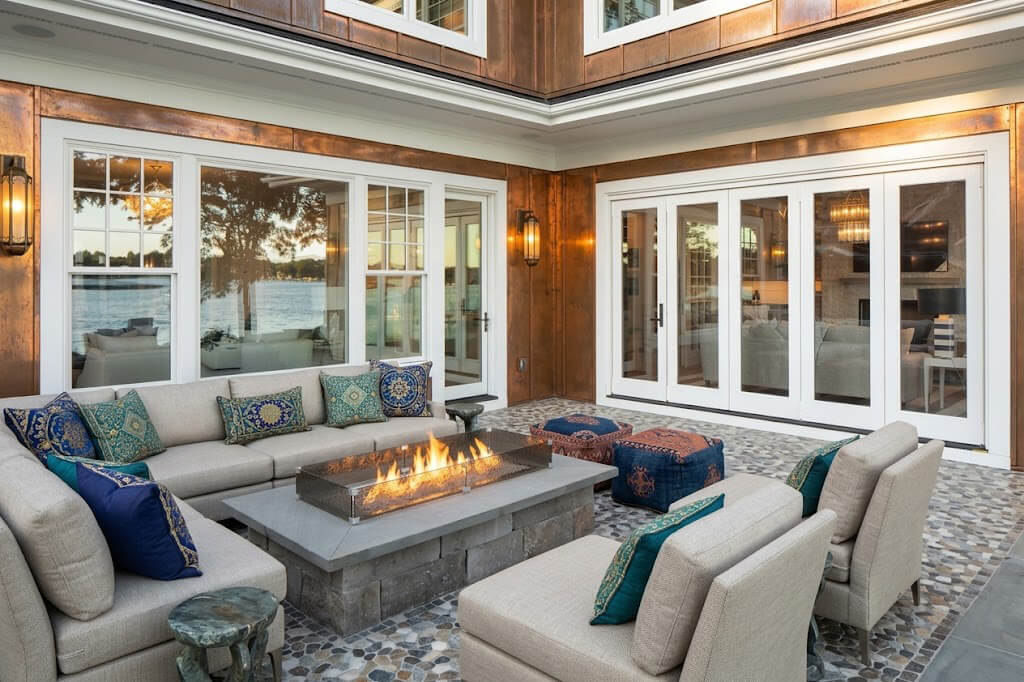
Awning Windows — Installation and Replacement Services in San Francisco
Durable, energy-efficient solutions tailored for San Francisco and the Bay Area properties. Professional installation guaranteed.
Premium Awning Windows
Awning windows feel oddly perfect for the Bay Area. Maybe it’s the sideways rain in San Francisco, maybe the fog drifting through Daly City at 6 a.m. — either way, these windows handle moisture better than most styles without turning your living room into a wind tunnel. Hinged at the top and opening outward, awning windows allow airflow even during light rain. Practical little things. Quietly underrated.
Vinyl, fiberglass, and aluminum-clad frames are the usual choices, though fiberglass tends to behave better near coastal salt air. You’ll often see awning windows installed above picture windows, in bathrooms, kitchens, stairwells, or modern homes where ventilation matters but wall space disappears fast. Small openings. Big difference.
Available Awning Window Materials
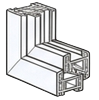
Vinyl
A perfectly balanced option. Decent prices, almost no maintenance required. Fits well enough in all kinds of properties.
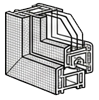
Fiberglass
Extremely durable, not affected by California weather at all. A right choice for a place you want to keep for life.

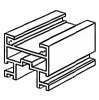
Aluminum clad wood
Aluminum durability strengthened by natural wood energy efficiency. A perfect breed ready to serve for decades.
Performance & Efficiency
SF Soundproofing
Awning windows seal tightly. Tighter than sliding windows, usually. Sometimes better than older casement systems too, especially in windy Bay Area neighborhoods where drafts sneak in through almost invisible gaps. Because the sash presses firmly against the frame when closed, awning windows are known for strong energy performance and surprisingly solid sound reduction. Which matters near busy San Francisco streets. Or airports. Or barking dogs that apparently never sleep.
Energy Efficiency
Low-E glass and dual-pane insulated units improve thermal efficiency even more. Add argon gas fills and suddenly your heater works less, your rooms feel steadier, and the cold morning fog stays outside where it belongs. Awning windows also catch passing breezes well due to their angled opening design. Strange little air scoops. Effective ones.
How Awning Compares to Other Options
| Vinyl | Fiberglass | Wood | Aluminum | Clad Wood | |
|---|---|---|---|---|---|
| Energy efficiency | |||||
| Low maintenance | |||||
| Rot & moisture resistance | |||||
| Structural strength | |||||
| Budget-friendly price | |||||
| Paintable & customizable | |||||
| Sound insulation | |||||
| Resistance to warping |
Learn More About Awning Windows
This makes them particularly useful in foggy Bay Area neighborhoods where windows are often left cracked for ventilation - the glass itself acts as a partial rain shield during the light coastal drizzle common in the Sunset, Richmond, and Daly City.
In San Francisco homes where privacy and ventilation are both important (bathrooms on ground floor or street-facing walls), awning windows are a practical solution since they allow airflow without a clear line of sight from outside.
Combined with dual-pane Low-E glass and argon fills, this makes awning windows among the better-performing styles for thermal efficiency - a relevant advantage in Bay Area homes that face cold morning fog and warm afternoon sun on the same day.
Fiberglass is the more dimensionally stable of the two: it expands and contracts less under temperature changes, which helps preserve the compression seal that makes awning windows energy-efficient over the long term.
They're frequently installed above fixed picture windows in living rooms and great rooms - adding ventilation to a large glazed wall without breaking up the view panel or the clean horizontal proportions of the facade.